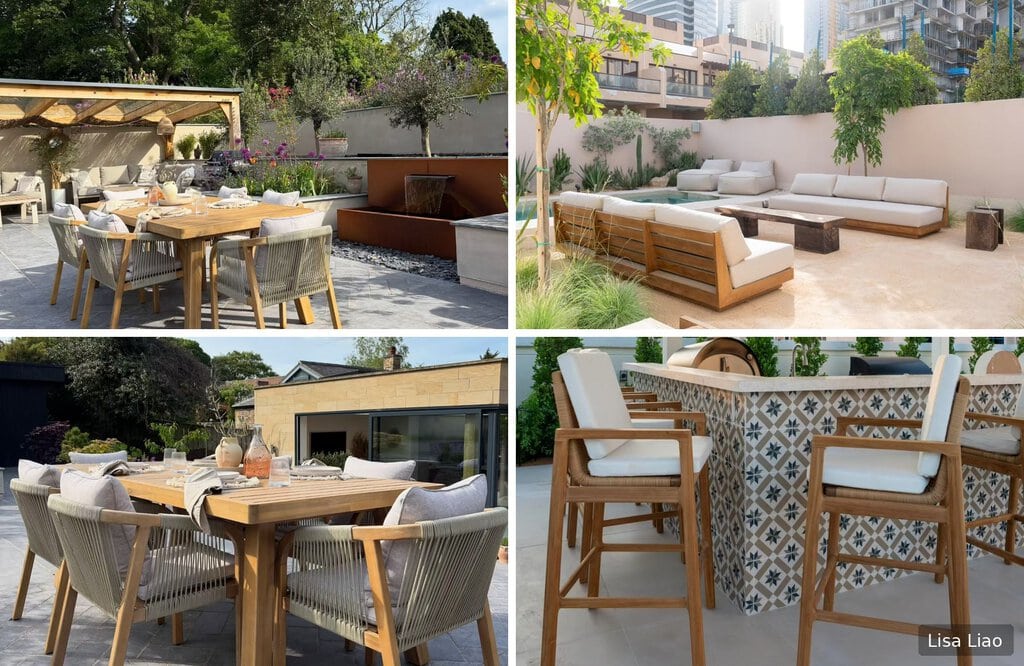
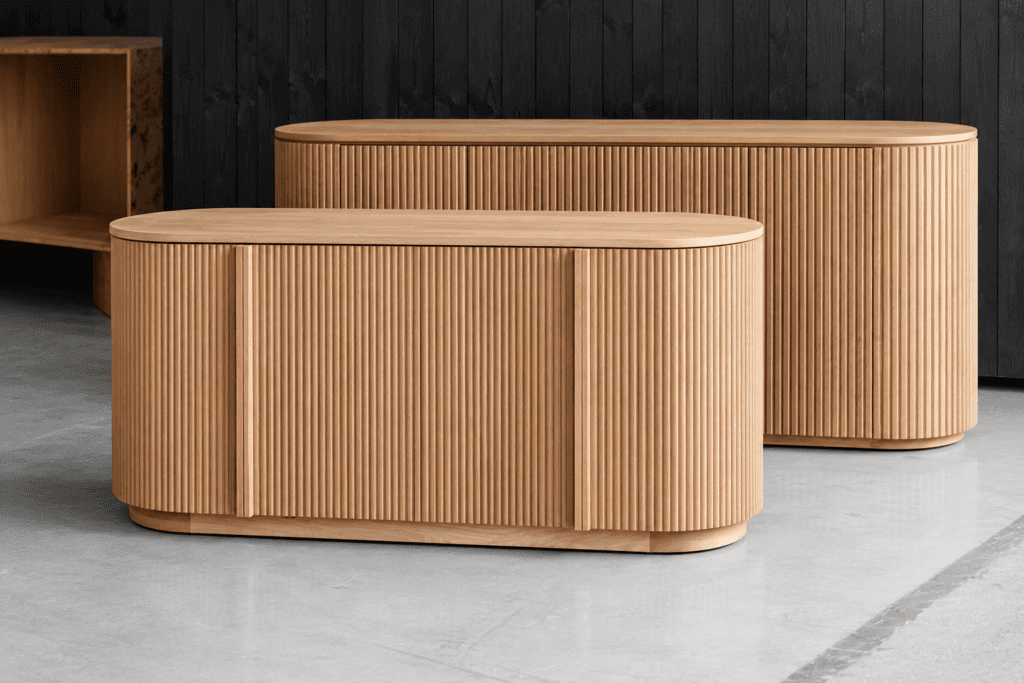
Foshan is known as the global hub for furniture manufacturing, and many international buyers come here to get their furniture custom-made. Why? Because you have access to a huge variety of materials, advanced craftsmanship, and full customization options.
But let’s be honest—custom furniture isn’t as simple as picking a style and placing an order. From inspiration photos to the finished product, there are many details that can trip you up. Based on experience, I’ll walk you through the full process so your project goes smoothly.
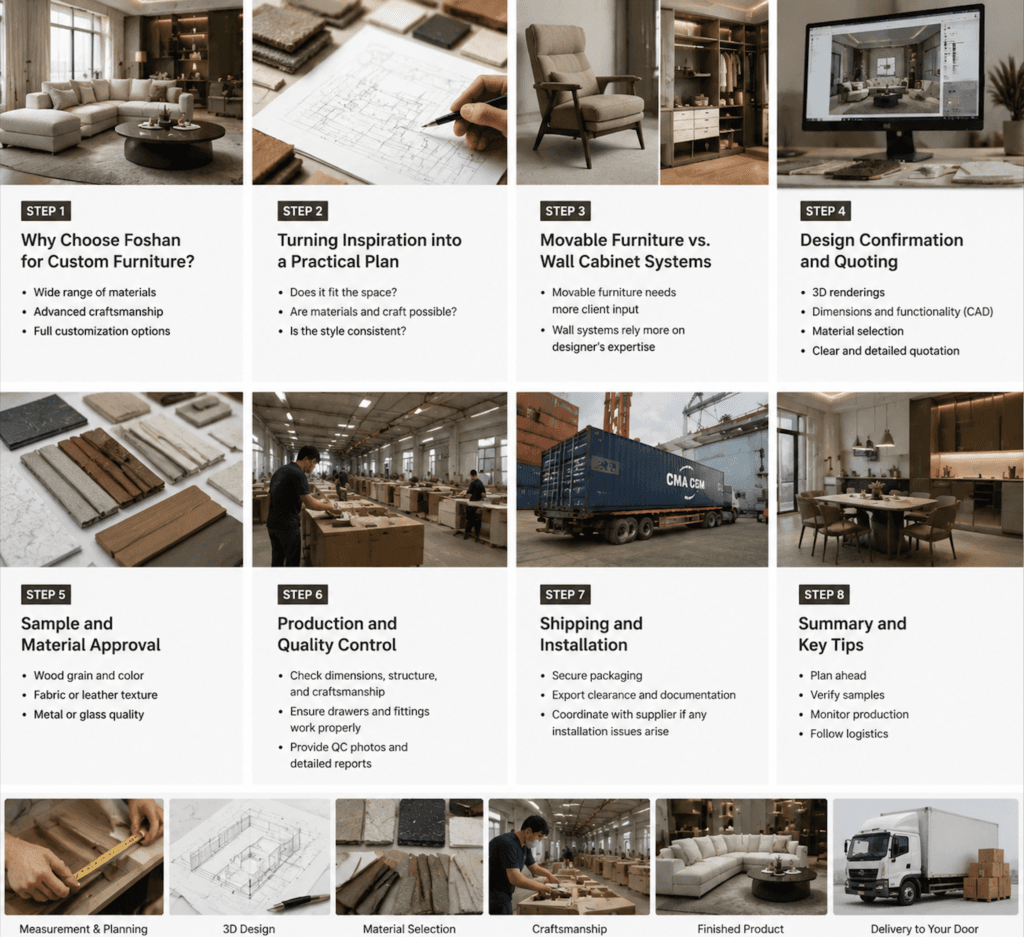
Step 1: Why Choose Foshan for Custom Furniture?
Foshan is home to thousands of factories, from small workshops to large-scale operations. You can find almost any material you can imagine—wood, fabric, leather, metal, glass—you name it.
The factories here are very experienced in customization, from small furniture pieces to full-house projects. Many clients also choose to come to China because this level of customization flexibility can be difficult to achieve locally, especially when trying to turn inspiration images into a fully finished space. In some cases, local pricing can also be much higher than expected.
That said, the process can still feel overwhelming for first-time buyers. Language barriers, quality control, and shipping are all things that need to be managed carefully. Without understanding the process, it’s easy to end up with wrong dimensions, mismatched materials, or unexpected problems later on.
Knowing how the process works from the beginning can help avoid a lot of these issues.
Step 2: Turning Inspiration into a Practical Plan
Most clients start by sending photos or reference designs they like. The goal is to turn these ideas into a plan that can actually be produced.
Things to consider:
- Does the furniture fit the space?
- Are the materials and craftsmanship feasible?
- Is the style consistent across all pieces?
Example: One client sent a few Instagram photos of a small dining set. I adjusted the dimensions and material choices slightly. The final furniture not only matched the photos but fit perfectly in their space.
Step 3: Movable Furniture vs. Wall Cabinet Systems
Here’s a tip from experience:
- Movable furniture (sofas, beds, chairs, tables) is trickier to get right. It’s best if clients bring photos or examples when finalizing the plan. Because these designs are compact and detailed, vague descriptions often lead to unsatisfactory results.
- Custom wall cabinets, closets, or full-house systems work differently. Designers can take your ideas, create a plan, and turn it into executable production drawings. You just provide your requirements and style preferences, and they’ll handle the rest.
In short: movable furniture requires more client input, while wall systems rely more on the designer’s expertise.
Step 4: Design Confirmation and Quoting
Once the initial plan is ready, it’s time to confirm the details:
- 3D renderings
- Dimensions and functionality (CAD)
- Material selection
The quote should clearly include all details, such as materials, dimensions, and finishes. Sorting this out early helps avoid surprises and ensures your project turns out exactly as you wished.
Step 5: Sample and Material Approval
This step is critical—you need to see how the materials will look and feel:
- Wood grain and color
- Fabric or leather texture
- Metal or glass quality
Example: A client initially chose fabric based only on a photo. Once the sample was reviewed, the color was off. They selected a new swatch, and the final piece came out perfect.
Step 6: Production and Quality Control
During production, a reliable Foshan-based sourcing agent handles all key stages on your behalf. This includes:
- Checking dimensions, structure, and craftsmanship
- Ensuring drawers and fittings work properly
- Providing QC photos and detailed reports
Even if you’re overseas, you can rest assured that quality is closely monitored and any issues are caught early, without needing to manage production yourself.
Step 7: Shipping and Installation
After production, a dependable sourcing agent should handle the shipping process, including:
- Secure packaging to protect furniture during transport
- Export clearance and all necessary shipping documentation
Installation is usually completed by the client at their location. However, a reliable agent should be ready to coordinate with the supplier if any issues arise during installation, ensuring problems are resolved promptly.
Tip: Even if you’re handling installation yourself, check each piece against the approved samples and plan to make sure everything fits and functions as expected.
Step 8: Summary and Key Tips
Custom furniture involves multiple steps: design, quoting, sample approval, production, quality control, and logistics. The biggest challenges for clients are communication and quality management.
Here’s some advice:
- Plan ahead: Clarify design, dimensions, materials, and budget early
- Verify samples: Don’t rely only on photos; check material and color
- Monitor production: Before shipment, your Foshan-based sourcing agent needs to perform a contract-based inspection of the goods to help avoid potential issues.
- Follow logistics: Plan packaging, shipping consolidation
Follow these steps, and you can successfully bring your dream luxury furniture home.
If the process seems overwhelming, working with an experienced sourcing agent can save time, prevent mistakes, and make the experience much smoother.
If you’re currently planning to source furniture from China, here are some articles I’ve written based on my real experience working on projects here. They may help you better understand the process, avoid common mistakes, and prepare for your sourcing journey.
Foshan Furniture Market Guide (Most Buyers Don’t Know)
Foshan Furniture Sourcing Agent: What You Need to Know Before You Decide
The Ultimate Guide to Sourcing Furniture in Foshan China (2026)